When the Back Pass Changed the Goalkeeper’s Job
See how the back-pass law changed the goalkeeper’s role in possession, from a safe final outlet to an active passer, and how teams can train that shift.
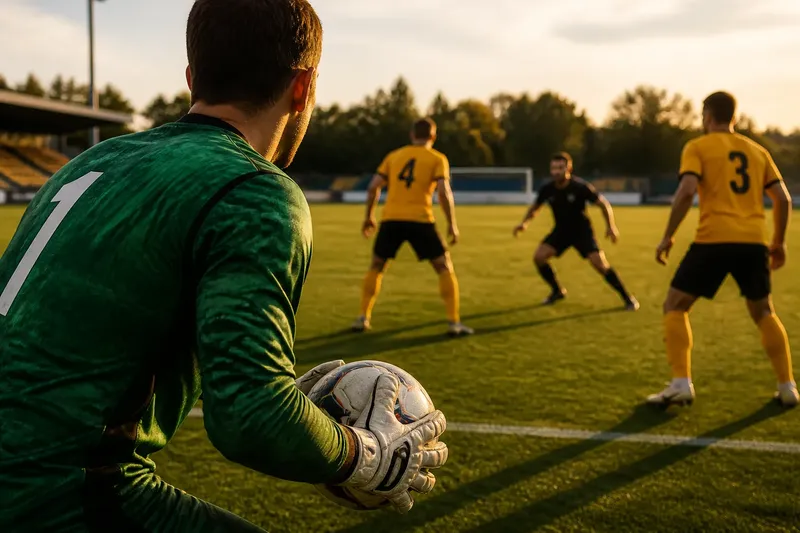
The familiar mistake is treating a goalkeeper’s pass to a defender as a harmless way to reset play. Since the back-pass law changed what keepers could handle, that choice can turn a calm possession into a pressing trap—or invite the goalkeeper to become the spare player who escapes it. Understanding the back-pass rule’s effect on the goalkeeper’s job starts with seeing the keeper as part of the team’s passing structure, not a refuge outside it.
From safe hands to live feet
Before the law changed, a teammate could deliberately kick the ball back and the goalkeeper could pick it up. That gave a team a reliable reset under pressure: move the ball away from danger, let the keeper gather it, and allow the defensive line to breathe. The keeper’s feet still mattered, but handling the ball removed much of the immediate risk.
Under the revised rule, a goalkeeper cannot handle a ball deliberately kicked to them by a teammate. The law also covers a throw-in taken by a teammate, with specific exceptions and interpretations applying to other situations. A goalkeeper may still use their feet to play the ball; the important change is that a familiar retreat no longer ends with a safe collection.
That adjustment made the keeper’s first touch, body position and choice of pass more visible parts of possession. Teams could no longer treat every return as a pause button. A pass back might still be the right decision, but it required the goalkeeper to receive and act like an outfield player while opponents had time to close.
The keeper as an outlet
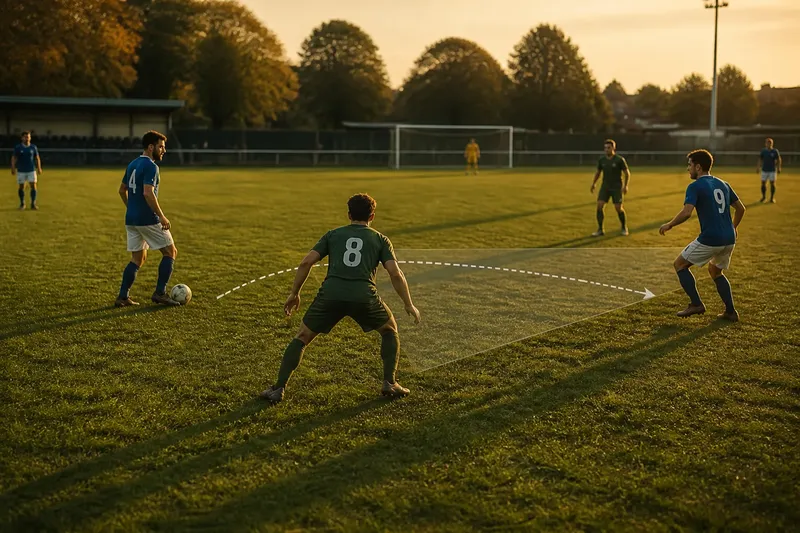
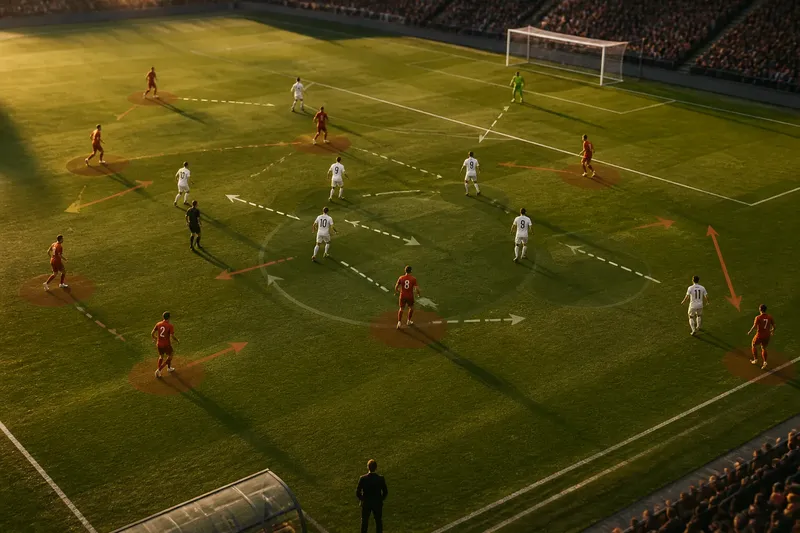
When a team builds from the back, the goalkeeper can create an extra passing option behind the first line of pressure. If an opponent marks both center backs, a keeper positioned to receive can make that press choose: jump toward the ball and leave a defender free, or hold shape and allow the keeper time to pass.
That extra option only helps if the team understands the next pass. A square ball to a center back who is already boxed in simply moves the problem. The keeper should scan before the ball arrives, recognize which side has space, and favor a pass that changes the angle or reaches a player able to face forward.
Receiving shape matters as much as range. A goalkeeper who opens their hips toward the field can see more of the pitch and play across their body if needed; one who receives closed may need an extra touch to turn. Under pressure, that extra moment can invite a challenge, so the keeper and defenders need clear signals about who will show for the ball and who will make space.
Training the new routine
A useful training plan is not a fixed formation exercise; it is a gradual rehearsal of the decisions that a back pass now demands. Start in an unopposed build-up, add a pressing opponent, then bring the same pattern into a small-sided game where the keeper must recognize when to pass short, switch play or clear the ball.
- First session: Have the goalkeeper receive deliberate passes from both center backs and play to a target on either side. Ask for a scan before the pass arrives and a clear call to the intended receiver.
- Next session: Add one forward who can press the goalkeeper. The keeper must decide whether to play around the presser, use a defender as a bounce pass, or send the ball long toward a teammate ready to contest it.
- Later in the week: Add a second presser and ask the defenders to adjust their spacing. If the short outlet disappears, the goalkeeper should identify a safe longer option rather than forcing a pass into a crowded lane.
- Match preparation: Rehearse the opponent’s likely pressing triggers. Agree on a simple cue, such as a forward curving their run toward one center back, that tells the keeper where the free outlet is likely to appear.
Say a team expects its opponent to press the left center back aggressively. In training, the keeper receives a return from that defender while a forward closes from the inside; the right center back stays wider and a midfielder drops into view. The intended outcome is observable: the keeper looks early, draws the forward’s run, then finds the open right side—or chooses a longer pass if that route closes.
When the short pass disappears
Possession is not a moral test. The law changed what a keeper can do with a deliberate teammate pass, but it did not make a short pass compulsory. If the goalkeeper receives with an opponent bearing down and no clear teammate available, a well-directed clearance can be the most responsible decision.
The team can make that clearance more useful by preparing its shape before the ball arrives. A forward can threaten the space behind the opposing defense, a midfielder can position for a second ball, and a wide player can stay available for a pass toward the touchline. Without those options, a long kick is more likely to return quickly and leave the team defending again.
Coaches should also distinguish between a poor decision and an imperfect execution. A keeper may read the press correctly but misplace the pass; a clean pass may still lead into a teammate’s tight spot. Reviewing the sequence means asking what the keeper could see, what the defenders offered and whether the team had prepared a sensible alternative.
What should a keeper read?
Can the goalkeeper still pick up a back pass?
A goalkeeper cannot handle a ball deliberately kicked to them by a teammate under the back-pass restriction. The keeper may control and play it with their feet, and the law’s wording includes exceptions that depend on how the ball was played and the circumstances.
Why pass back if it creates pressure?
A return can draw an opponent forward and open a route elsewhere, giving the team a way to change the point of attack. It is useful when the keeper has time, a clear view and teammates positioned to receive the next pass; without those conditions, the return may only move danger closer to goal.
Should every keeper play short?
No. Short distribution can help a team keep the ball and draw out a press, but it is not the right answer when nearby options are marked or the goalkeeper’s touch is compromised. The keeper’s task is to choose a viable route, including a longer pass, rather than follow a rule of style.
What should defenders do for the keeper?
Defenders should offer different passing angles instead of standing in a flat line, and they should avoid hiding behind opponents. A teammate who can receive facing upfield gives the keeper a better escape route than a second player waiting in the same crowded channel.
Read the rule, then the press
The precise application of the law depends on the referee’s interpretation and the way the ball reaches the goalkeeper; teams should use the current Laws of the Game and competition guidance rather than rely on a shorthand description. For daily tactical work, the practical question is simpler: when the keeper receives a teammate’s deliberate pass, what useful action is available next?
The back-pass law changed the goalkeeper’s job by turning a once-safe endpoint into a decision point. Build that decision into training: scan early, give the keeper more than one outlet, and rehearse what happens when the short route vanishes. Then the back pass becomes a purposeful part of possession, not a hopeful retreat.